Use this format when
- The sprint carried visible emotional weight.
- The team needs a direct conversation about a recent shift in morale.
- Empathy needs room before process changes.
After a demanding sprint, people may need to name how the work felt before they can discuss the process clearly. Mad Sad Glad puts frustration, disappointment, and positive energy on the board, then ties each feeling to an event or condition the team can influence.
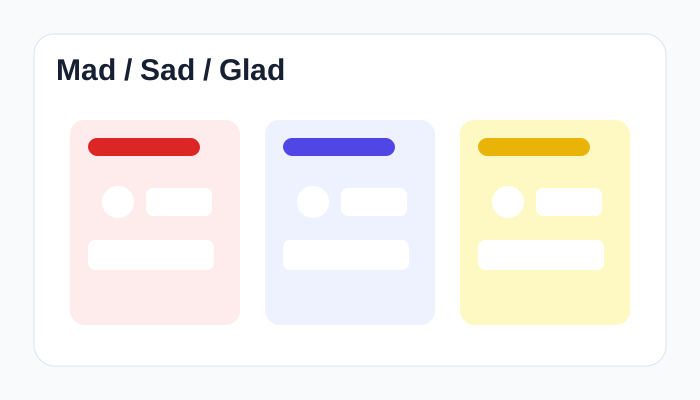
Use the prompts to keep cards specific. The examples show the level of detail that makes discussion and voting useful.
Which events felt frustrating or unfair, or created friction the team could have avoided?
What left the team disappointed or feeling that it missed an opportunity?
What gave the team pride, relief, connection, or momentum?
A complete path from framing the room to assigning one concrete follow-up.
Name the sprint or project being reviewed, restate the purpose of each column, and remind everyone to describe observable events.
Give everyone uninterrupted time to add one specific observation per card across every column.
Read the cards column by column and let authors add context without debating solutions yet.
Combine cards that describe the same pattern, then vote for the themes that would most improve the next iteration.
Explore causes, consequences, and tradeoffs behind the highest-voted themes while making space for dissenting evidence.
Turn the strongest insight into a small action with an owner, deadline, and signal the team can review next time.
Hide card authors, then reveal every contribution at once when an open conversation feels risky.
Widen the review from one sprint to the full release or project.
Use the three columns to sort the customer reactions the team has observed so far. Keep the evidence separate from the team's assumptions.
Before the retro
Mad Sad Glad is an emotion-centered retrospective for talking through frustration, disappointment, and positive experiences.
It can be. Set clear participation boundaries, keep cards focused on events, and let each person decide how much emotion to share.
Add a specific situation that caused frustration or avoidable friction. A late scope change or a build that failed all week both belong here.
Find the condition behind the highest-priority feeling, then decide which small change in support or process would address it. Give the change an owner.
Open the ready-made columns, invite the team, collect observations, vote, and leave with an owned improvement.