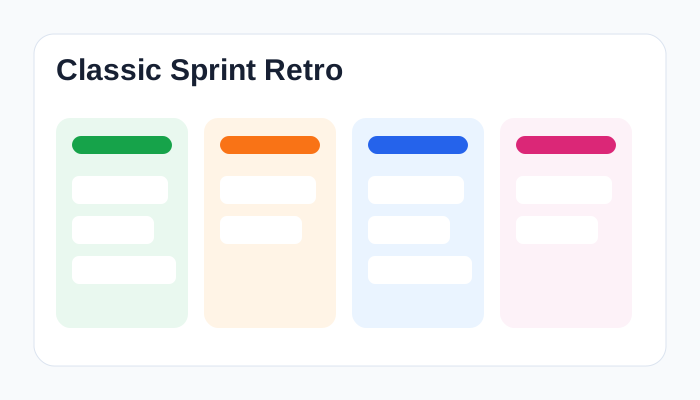
A familiar retro structure for teams that want a balanced review with praise, friction, and appreciation.
Went Well
To Improve
Shout Outs
Pick the conversation your team needs today. You can preview every column before opening a board, so the format is clear before the first card appears.
Compare the prompts and column counts, then choose a format that fits the room and gives the team a clear place to start writing.
Filter by columns
Showing 20 of 20 templates
A familiar retro structure for teams that want a balanced review with praise, friction, and appreciation.
Went Well
To Improve
Shout Outs
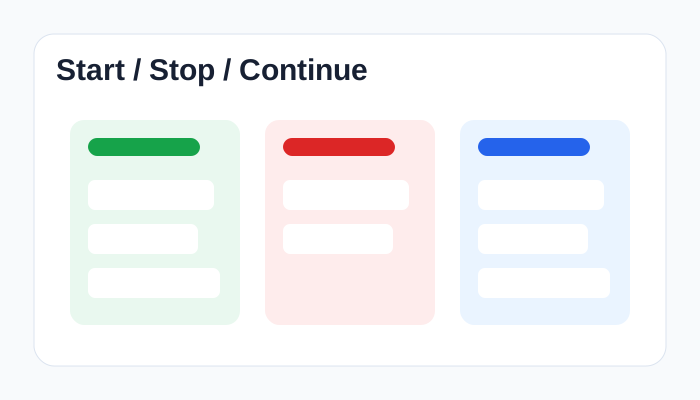
A crisp format for teams that want direct feedback about habits to add, remove, and preserve.
Start
Stop
Continue
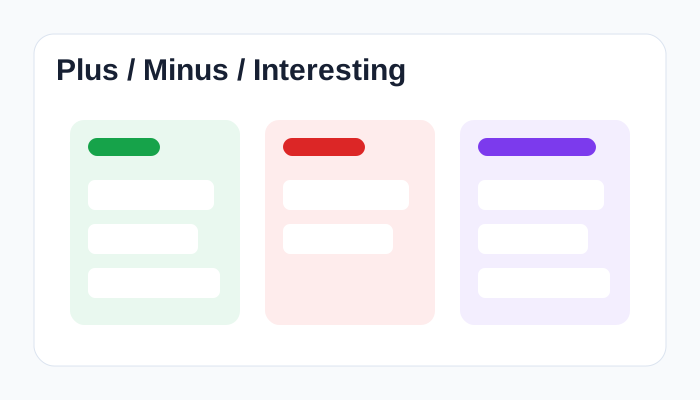
Evaluate benefits, drawbacks, and unresolved or surprising evidence without forcing every observation into a binary judgment.
Plus
Minus
Interesting
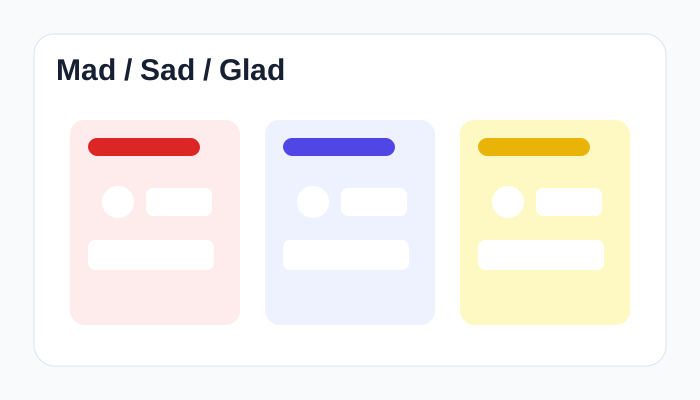
A simple emotional retro that helps surface morale, disappointment, and wins from the sprint.
Mad
Sad
Glad
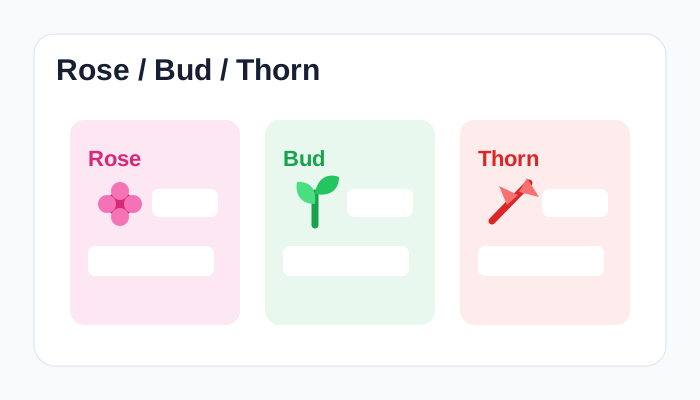
Separate strengths, emerging opportunities, and obstacles so the team can protect what works and focus its next improvement.
Rose
Bud
Thorn
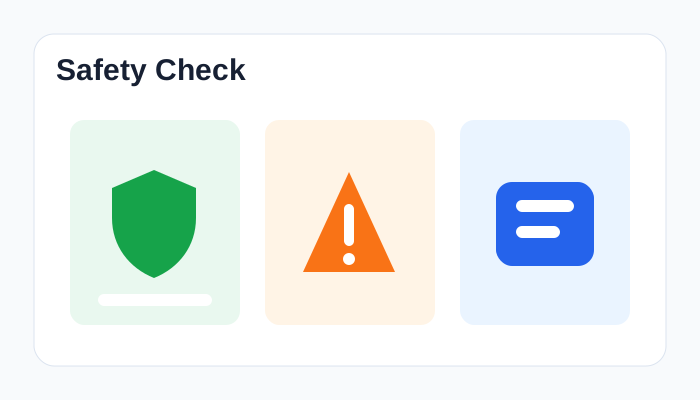
Start with psychological safety, then capture concerns, confidence, and support needs for the next sprint.
What Felt Safe
Where We Hesitated
Support We Need
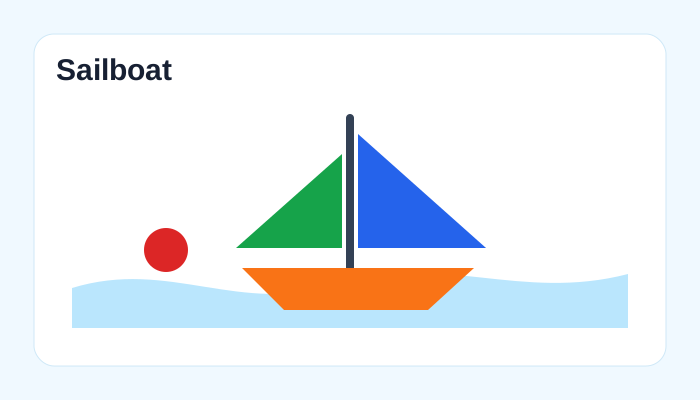
Explore momentum, blockers, risks, and destination with a classic visual retrospective metaphor.
Wind in Our Sails
Anchors
Rocks Ahead
Our Island Goal
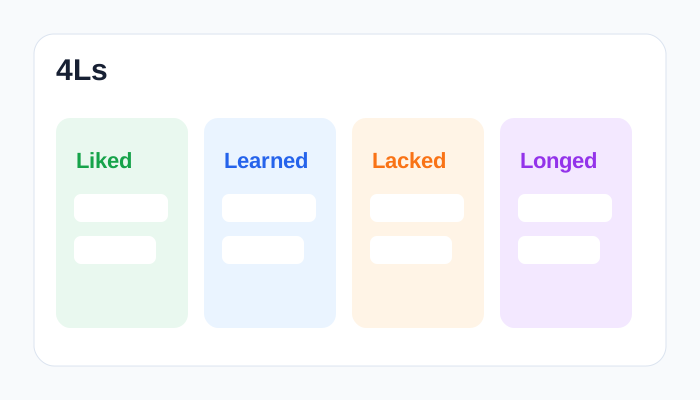
Review what the team liked, learned, lacked, and longed for to balance reflection and aspiration.
Liked
Learned
Lacked
Longed For
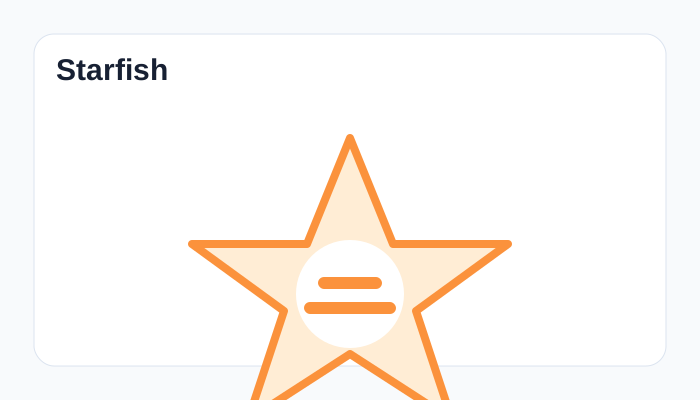
Break improvement ideas into more actionable buckets than a standard start-stop-continue retro.
Keep Doing
Less Of
More Of
Stop Doing
Start Doing
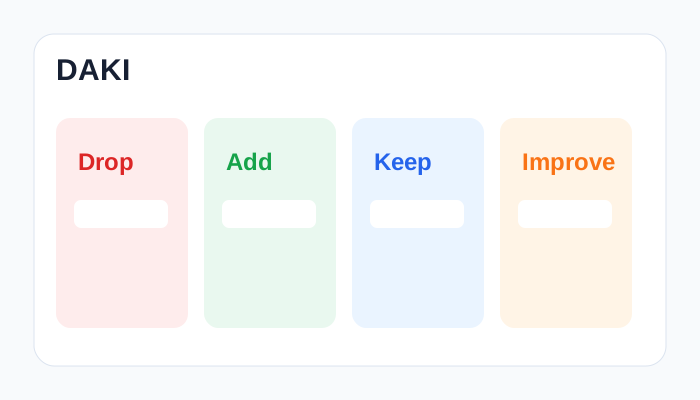
Focus the conversation on what to drop, add, keep, and improve as the team evolves its process.
Drop
Add
Keep
Improve
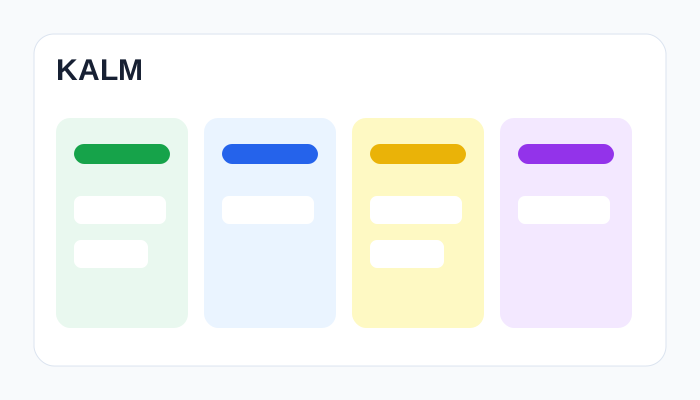
A process-tuning retro that asks what to keep, add, less, and more in the next iteration.
Keep
Add
Less
More
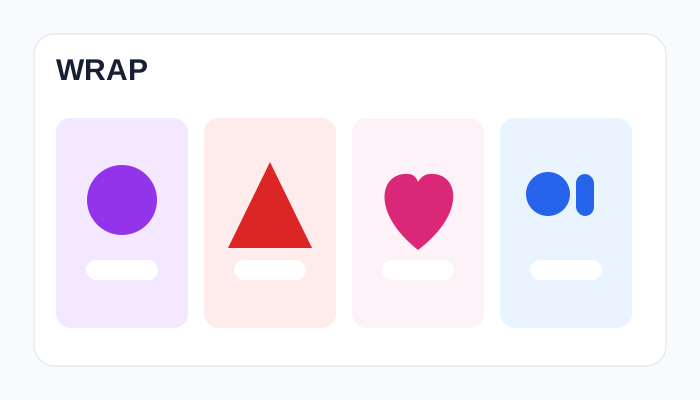
Use wishes, risks, appreciations, and puzzles to blend gratitude with practical learning.
Wishes
Risks
Appreciations
Puzzles
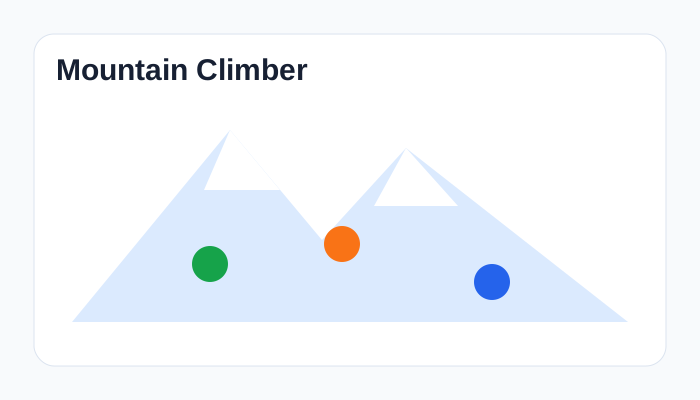
A forward-looking retro for teams that want to celebrate progress while naming steep climbs ahead.
Base Camp Wins
Steep Sections
Supplies We Need
Summit Next
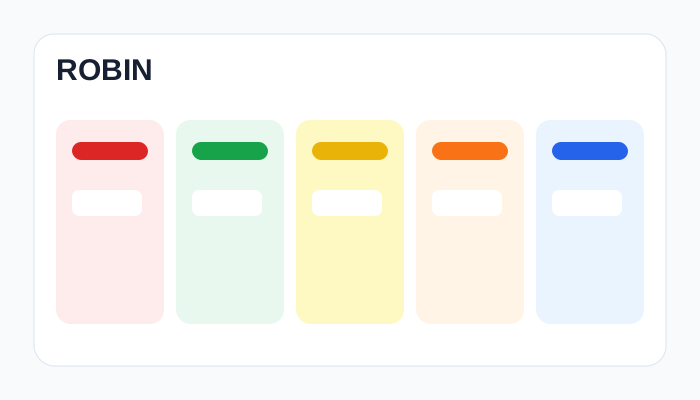
Prompt reflection around risks, opportunities, bright spots, improvements, and next steps.
Risks
Opportunities
Bright Spots
Improvements
Next Steps
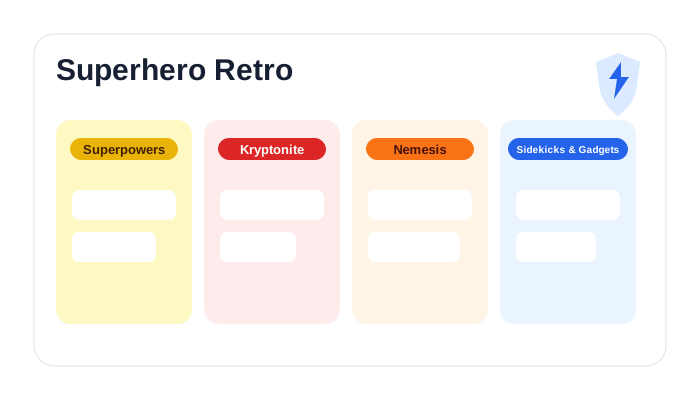
Reveal the team’s standout strengths, vulnerabilities, recurring obstacles, and the support that helps everyone succeed.
Superpowers
Kryptonite
Nemesis
Sidekicks & Gadgets
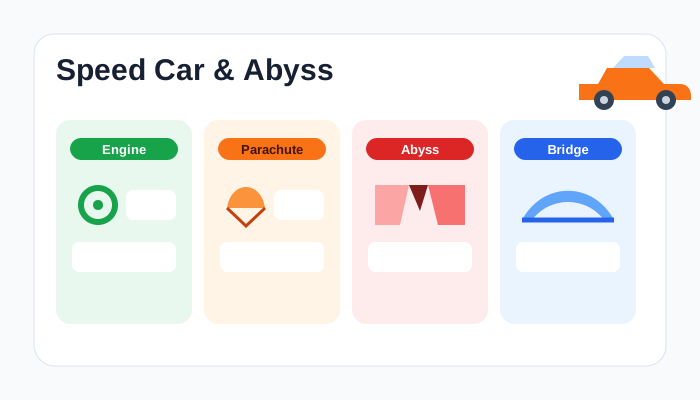
Pair a look at recent momentum and drag with a clear view of the risk ahead and the bridge the team can build.
Engine
Parachute
Abyss
Bridge
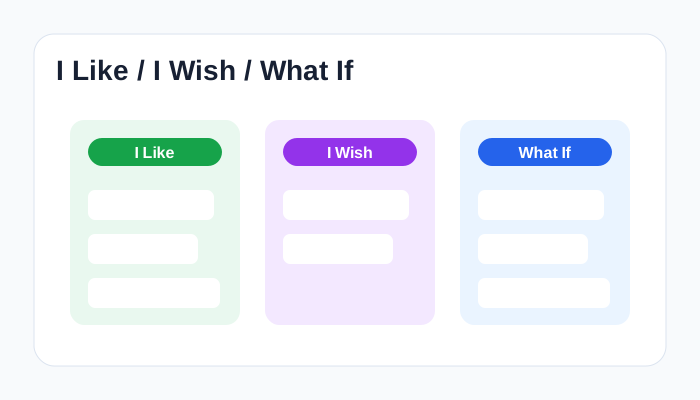
A balanced reflection that protects what helps, names what people wish would change, and turns rough ideas into small experiments.
I Like
I Wish
What If
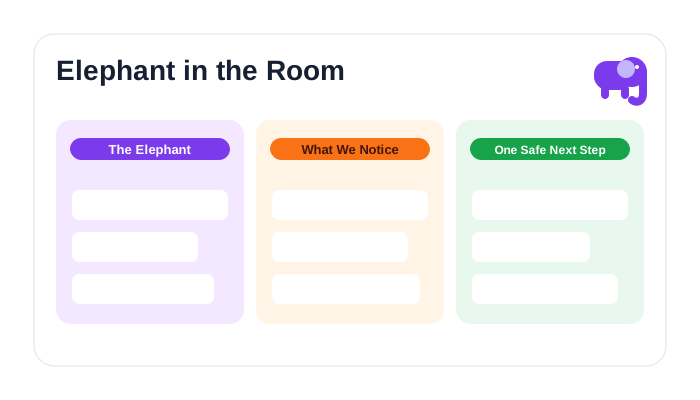
Surface an avoided issue, connect it to observable effects, and agree on one safe next step the team can review.
The Elephant
What We Notice
One Safe Next Step
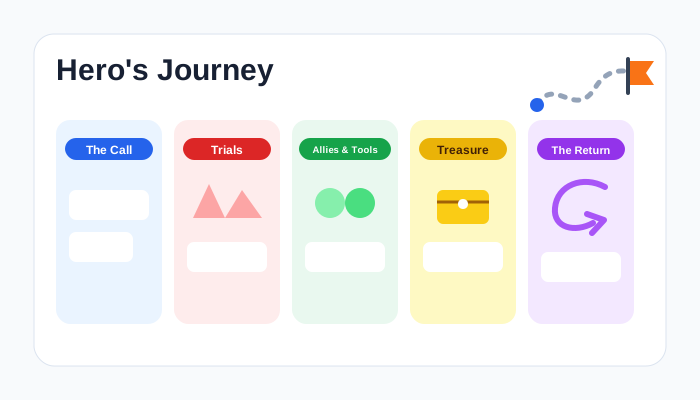
Turn a sprint or project into a shared story about its challenge, difficult turns, useful support, hard-won learning, and the change the team will take forward.
The Call
Trials
Allies & Tools
Treasure
The Return
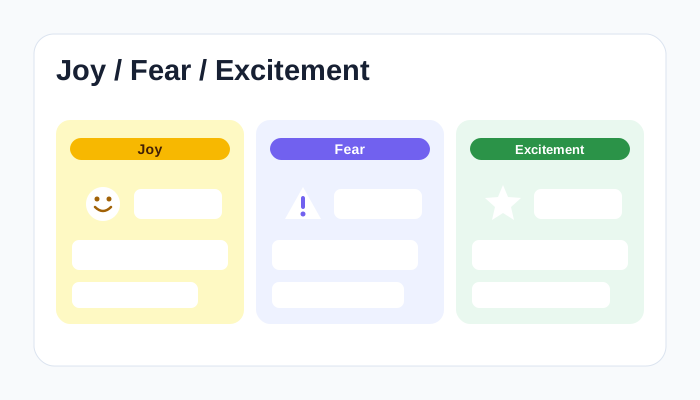
Connect rewarding work, credible concerns, and promising opportunities to the events that caused them, then choose one practical response.
Joy
Fear
Excitement
Classic Sprint works well for a first retrospective with a balanced view. Start Stop Continue gives an established team direct language for changing its habits.
Pick Sailboat when the team needs to talk through momentum, drag, risk, and destination in one picture before deciding what should change. Mad Sad Glad makes room for the emotional impact of the work.
For an established process, Starfish, DAKI, and KALM each give the team a different way to tune an established process.
Read the retrospective meeting guide or see the full online board workflow.
A retrospective template gives the team a set of prompts or columns for examining recent work, so everyone enters the discussion with the same frame. The format might focus on wins, friction, learning, risk, morale, or the next action.
Classic Sprint gives a new team a balanced place to begin. Start Stop Continue fits a group that understands its context and wants direct decisions about team habits.
Keep a template while it produces useful evidence. When the answers become automatic, pick a format that opens a different conversation about risk, morale, learning, or strategy.
Yes. A shared HeyRetro board lets remote participants write silently, reveal cards together, follow the same visible timer, and contribute before the discussion begins.
Open a board, invite the team, and turn the strongest shared observation into one action with a clear owner.